

m3 & Sport vs. Max & Max+
What is the difference?
Compare the key differences below to find the best carrier for you.


m3 & Sport


Max & Max+


Here's the simple version.
m3 — Traditional steel track design with a 500 lb capacity for standard motorcycles and tire sizes.
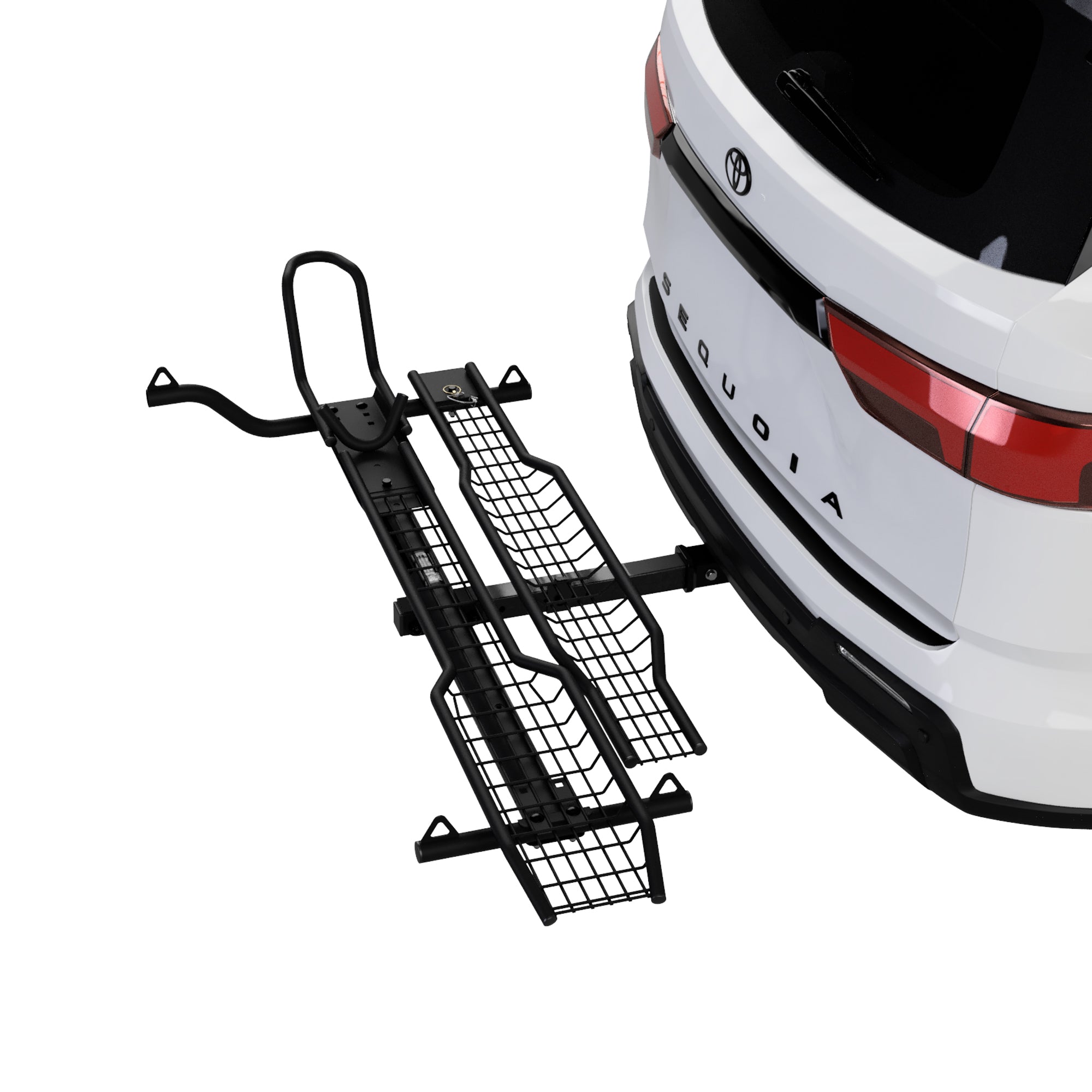
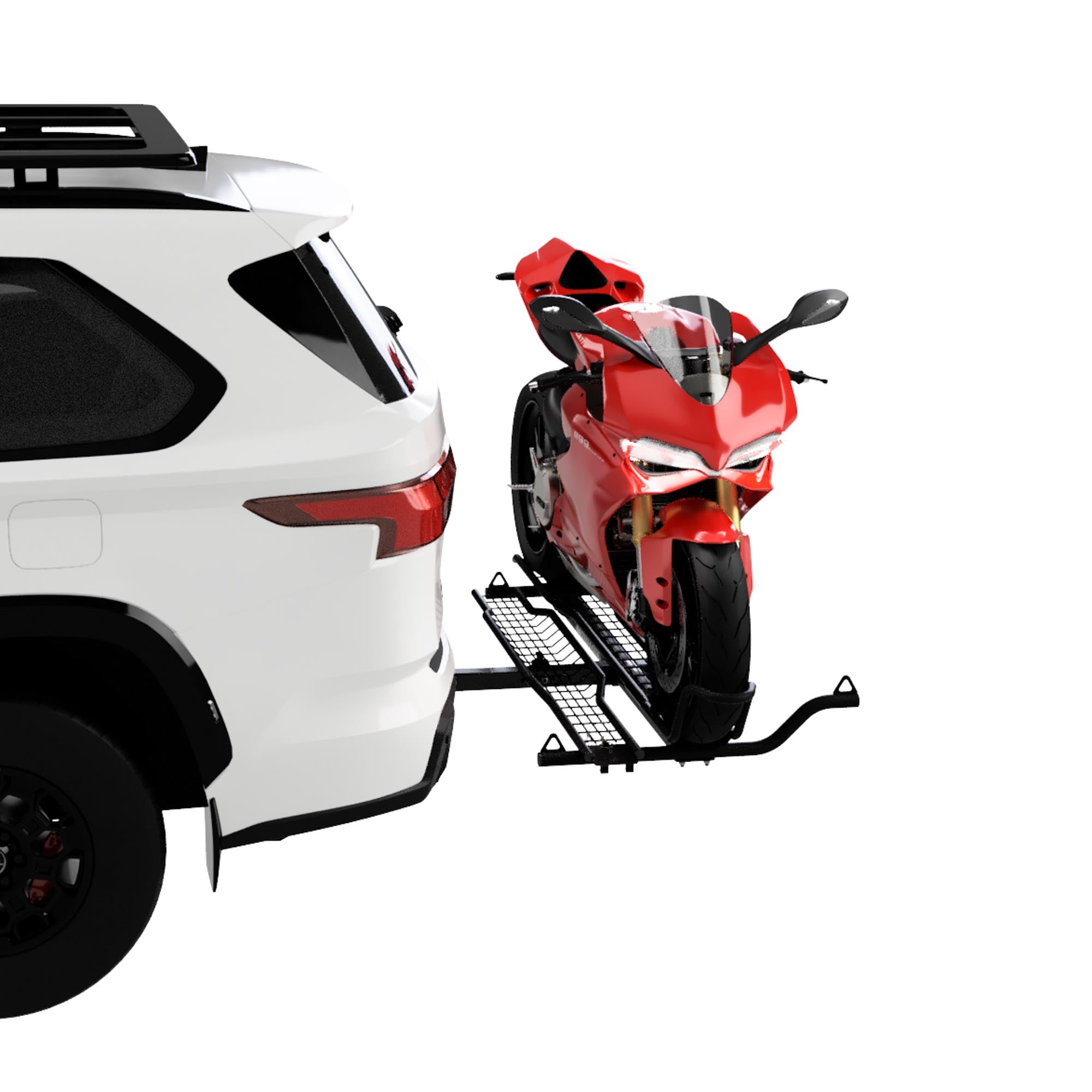
Sport — Basket-style track design with a 600 lb capacity and wider tire compatibility.
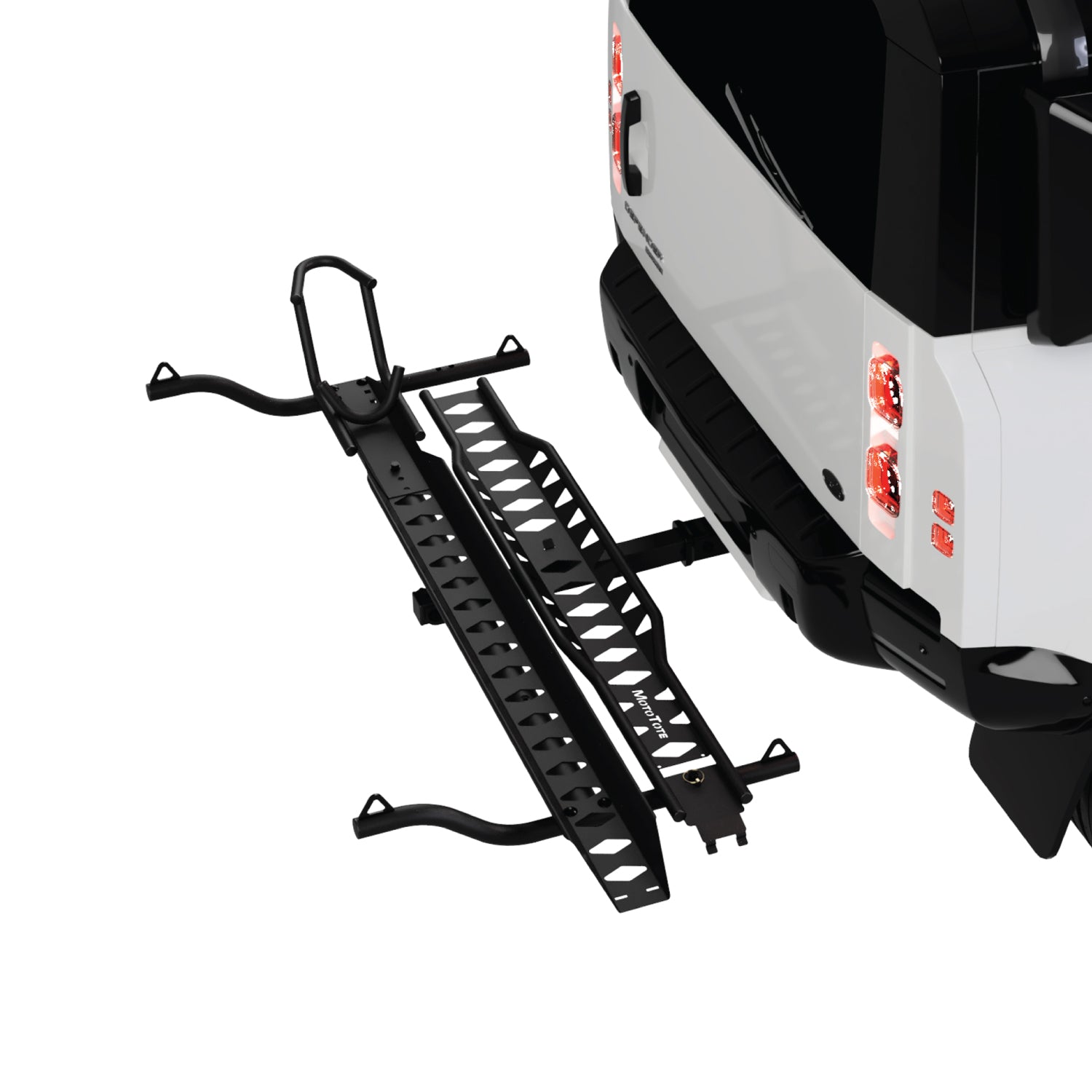
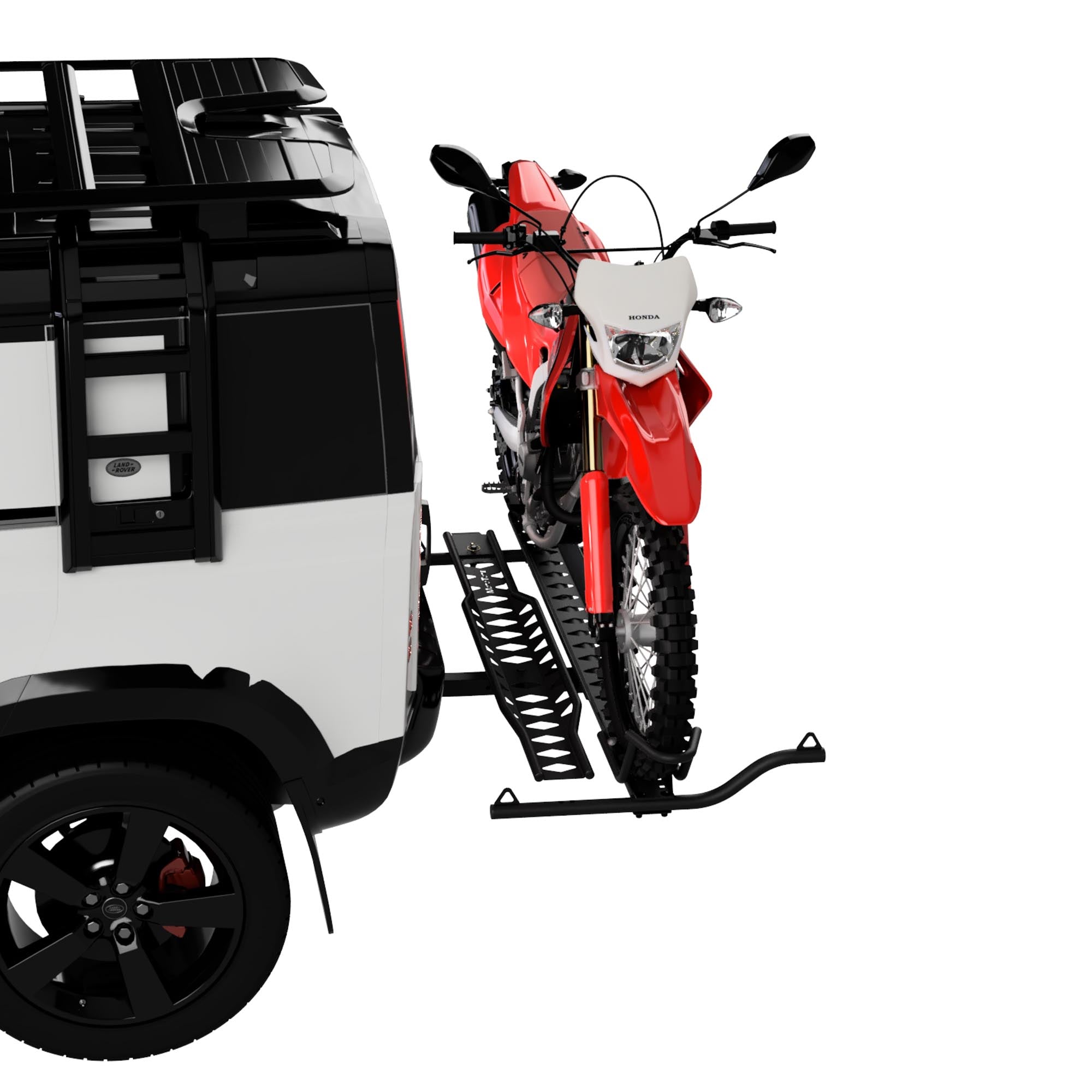
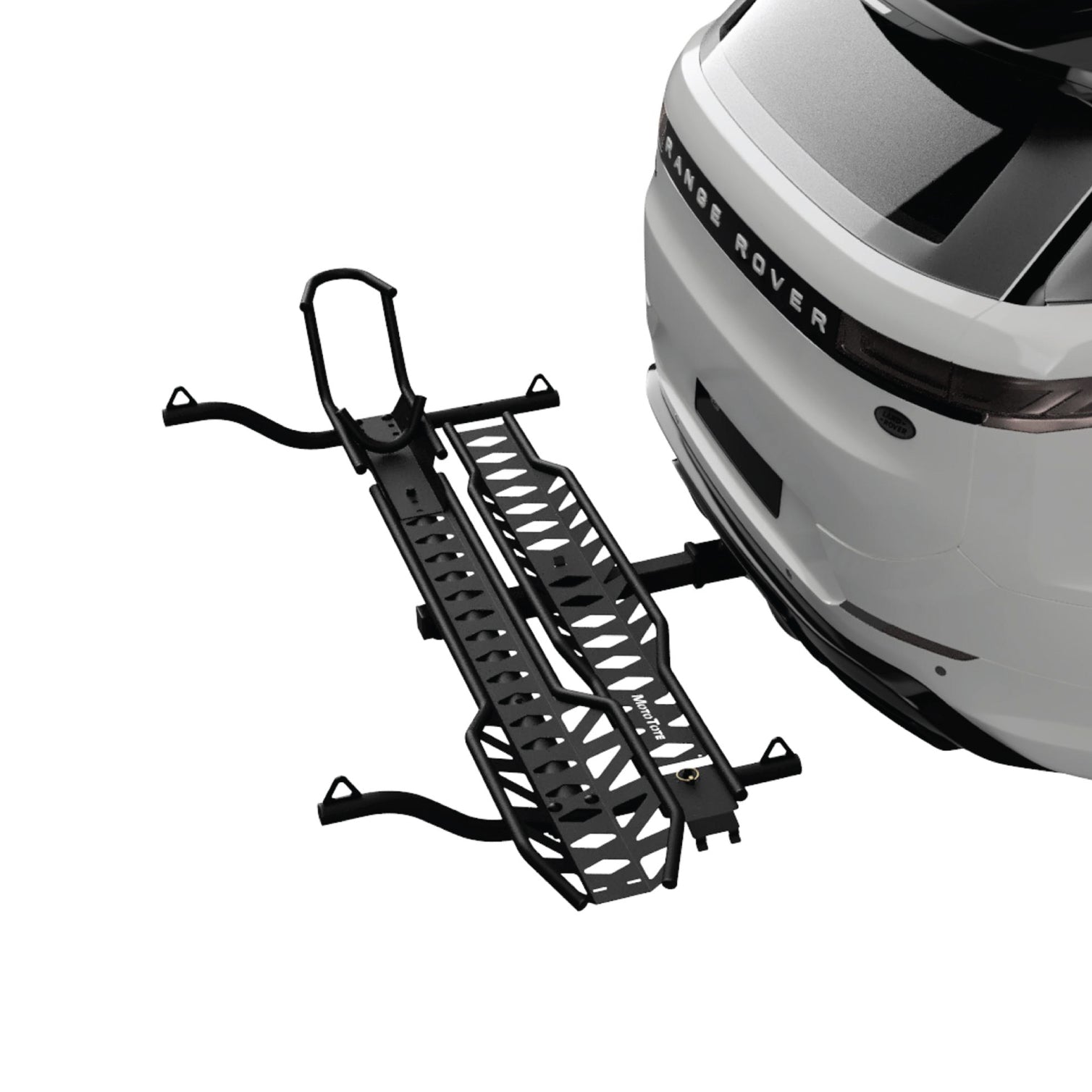
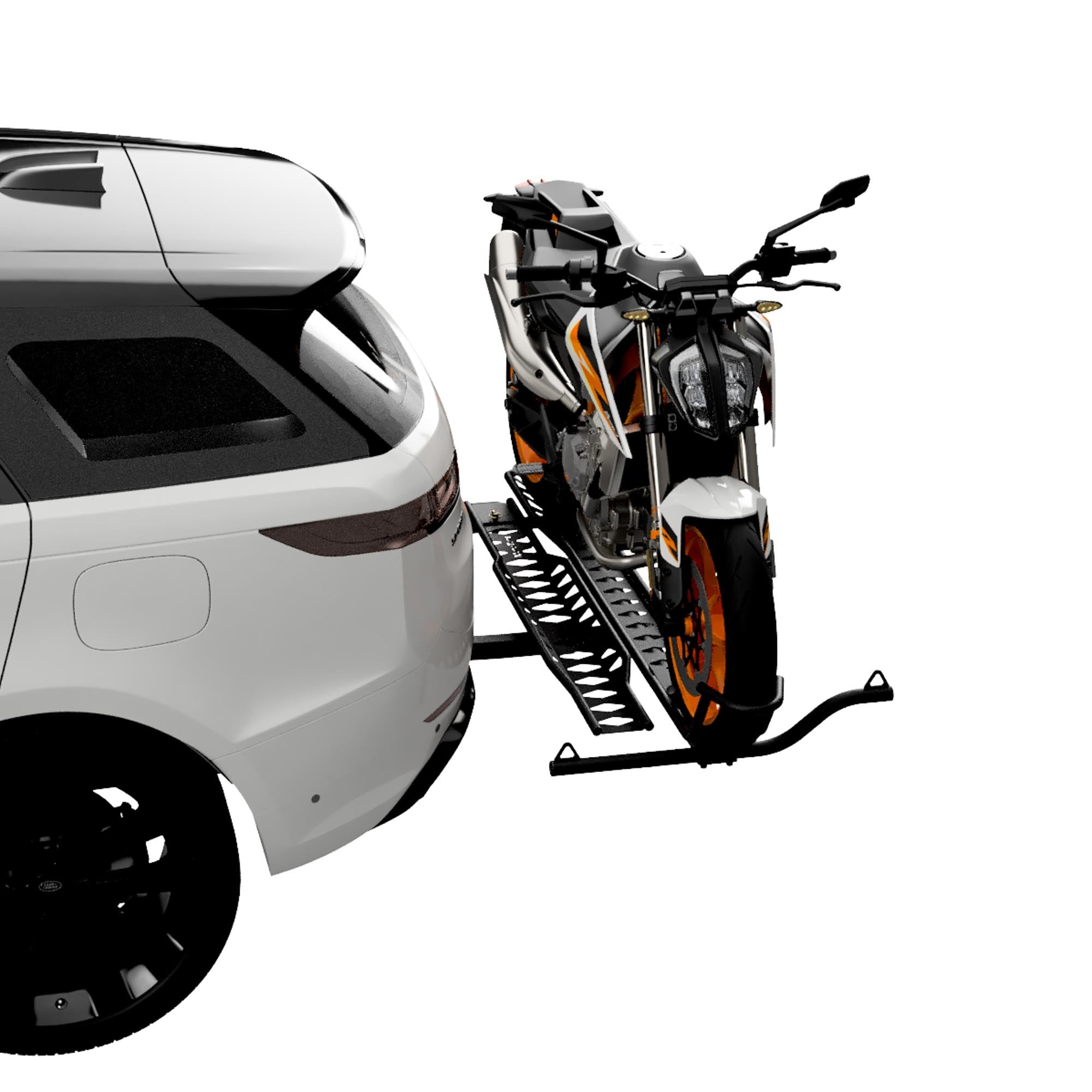
Max — Our most refined carrier platform, engineered for maximum stability with a reinforced laser-cut track, rear tie-down support, same-side ramp access, and a 600 lb capacity.
Max+ — Everything the Max offers, plus compatibility with rear tires up to 9" wide for the ultimate in motorcycle hauling versatility.
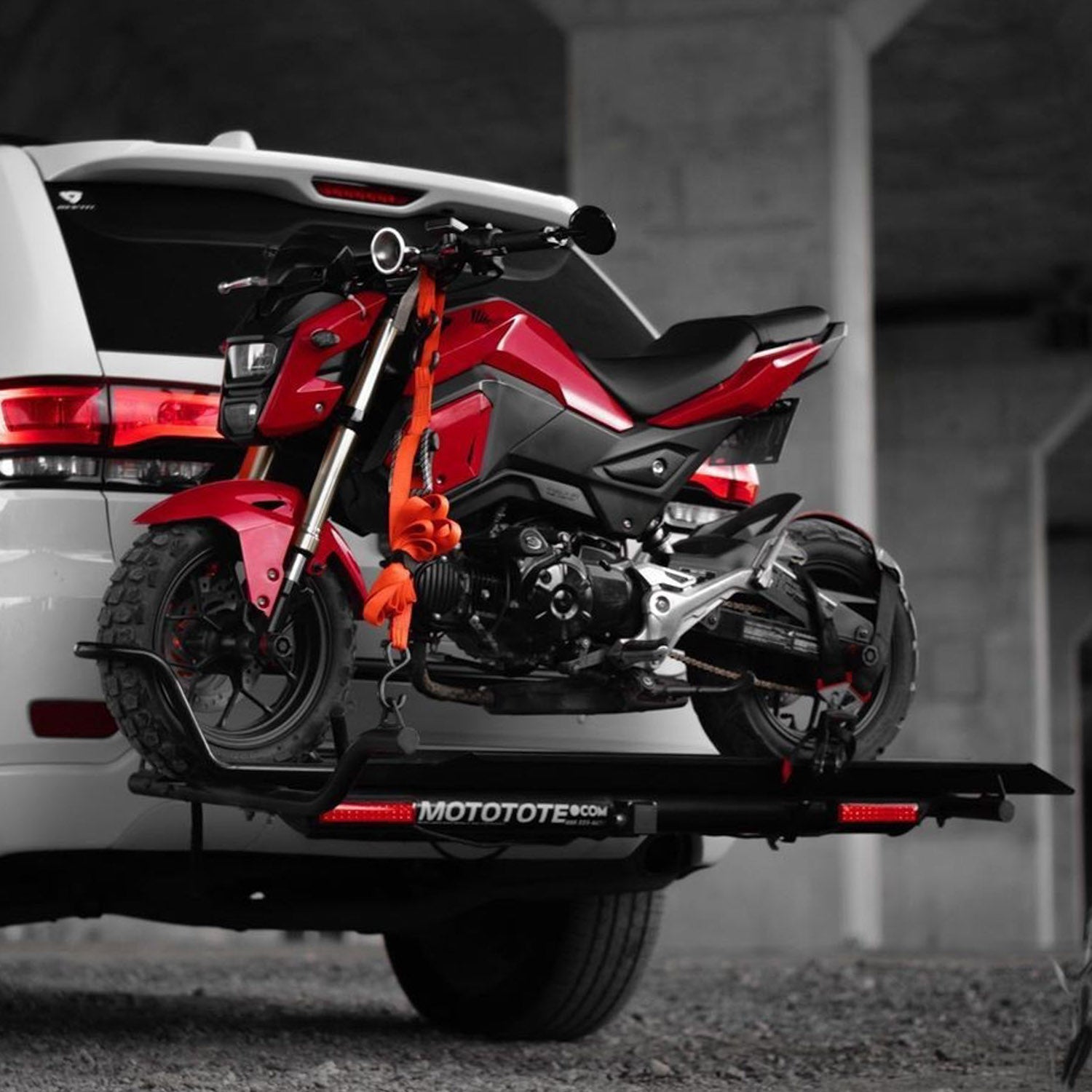
m3
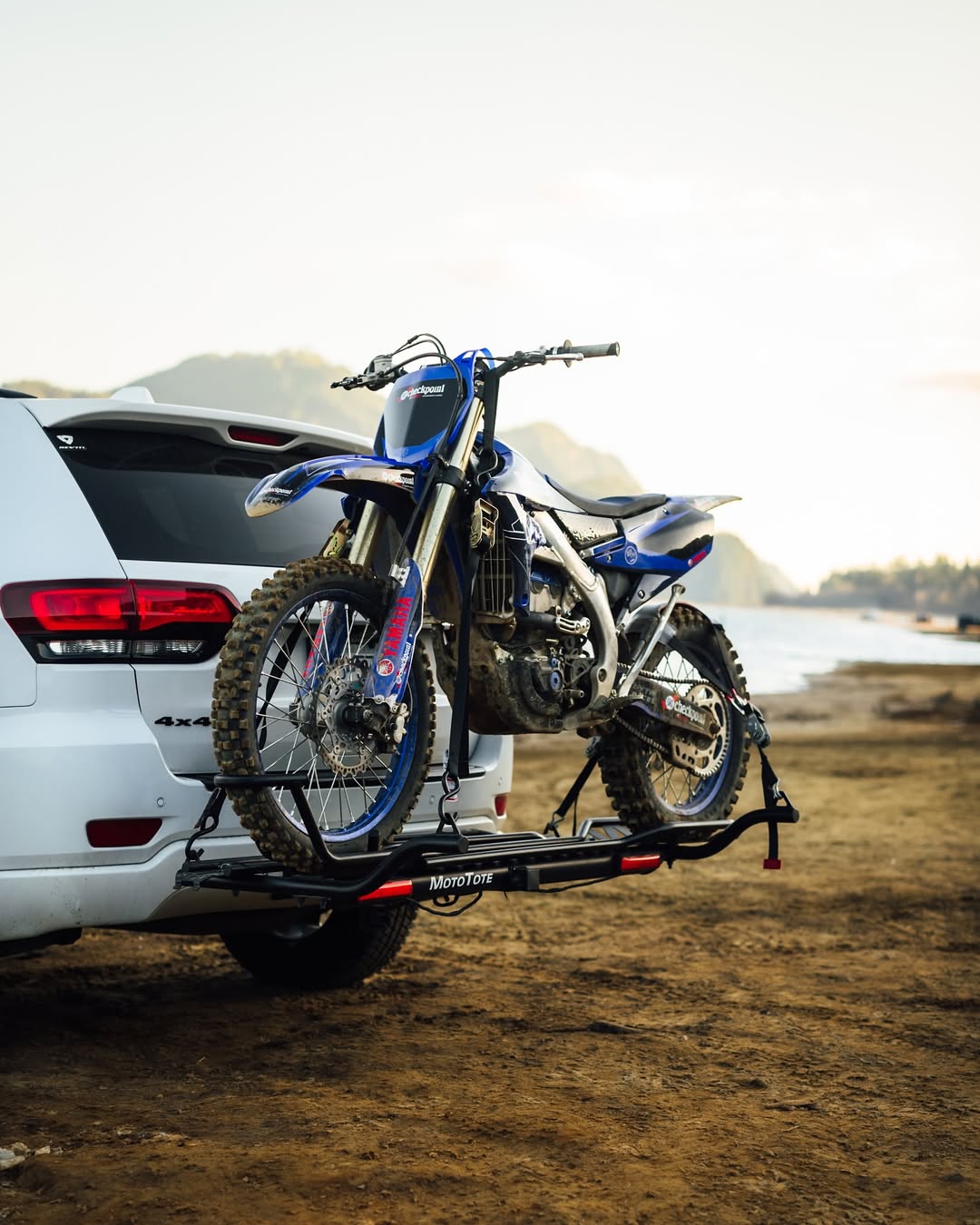
Max+
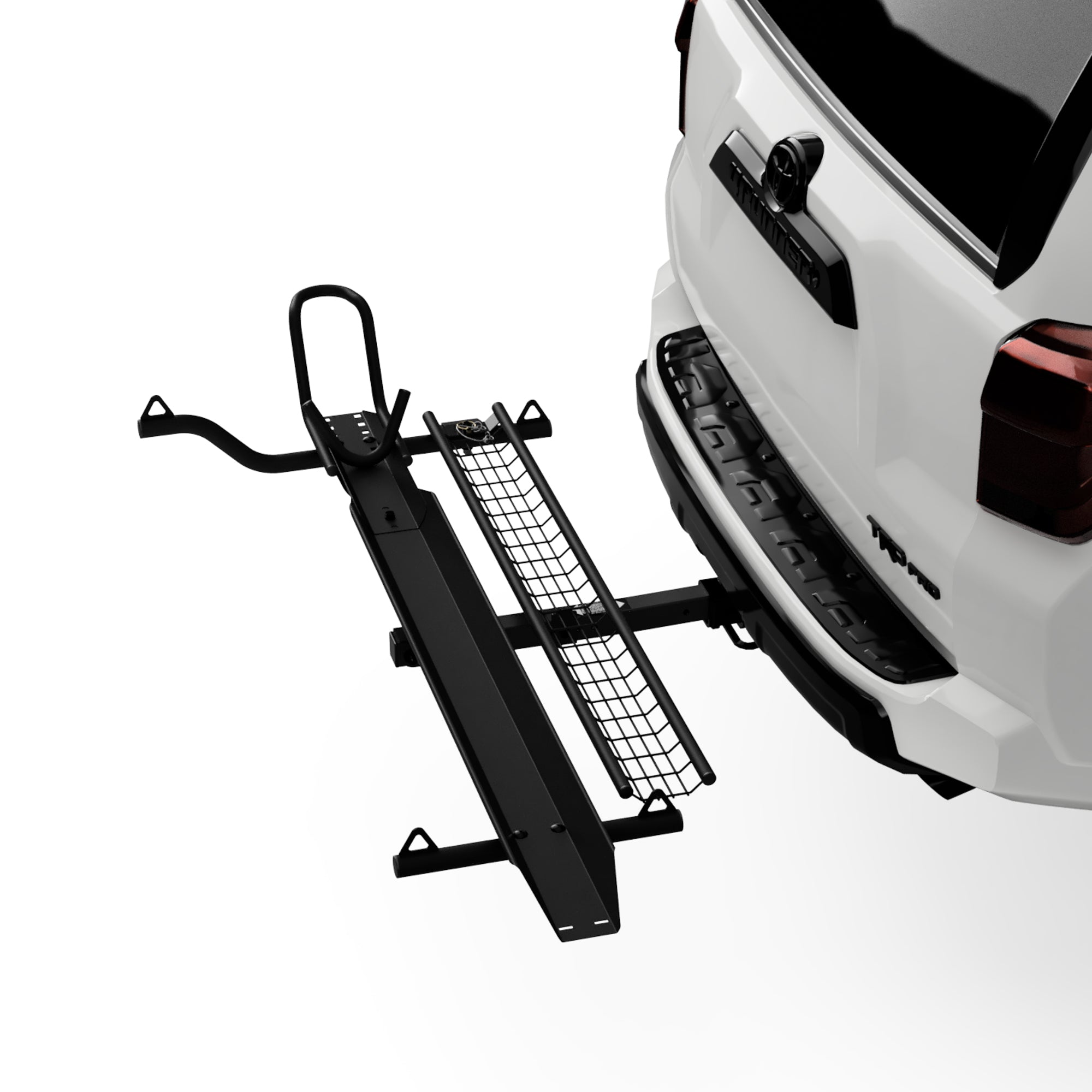
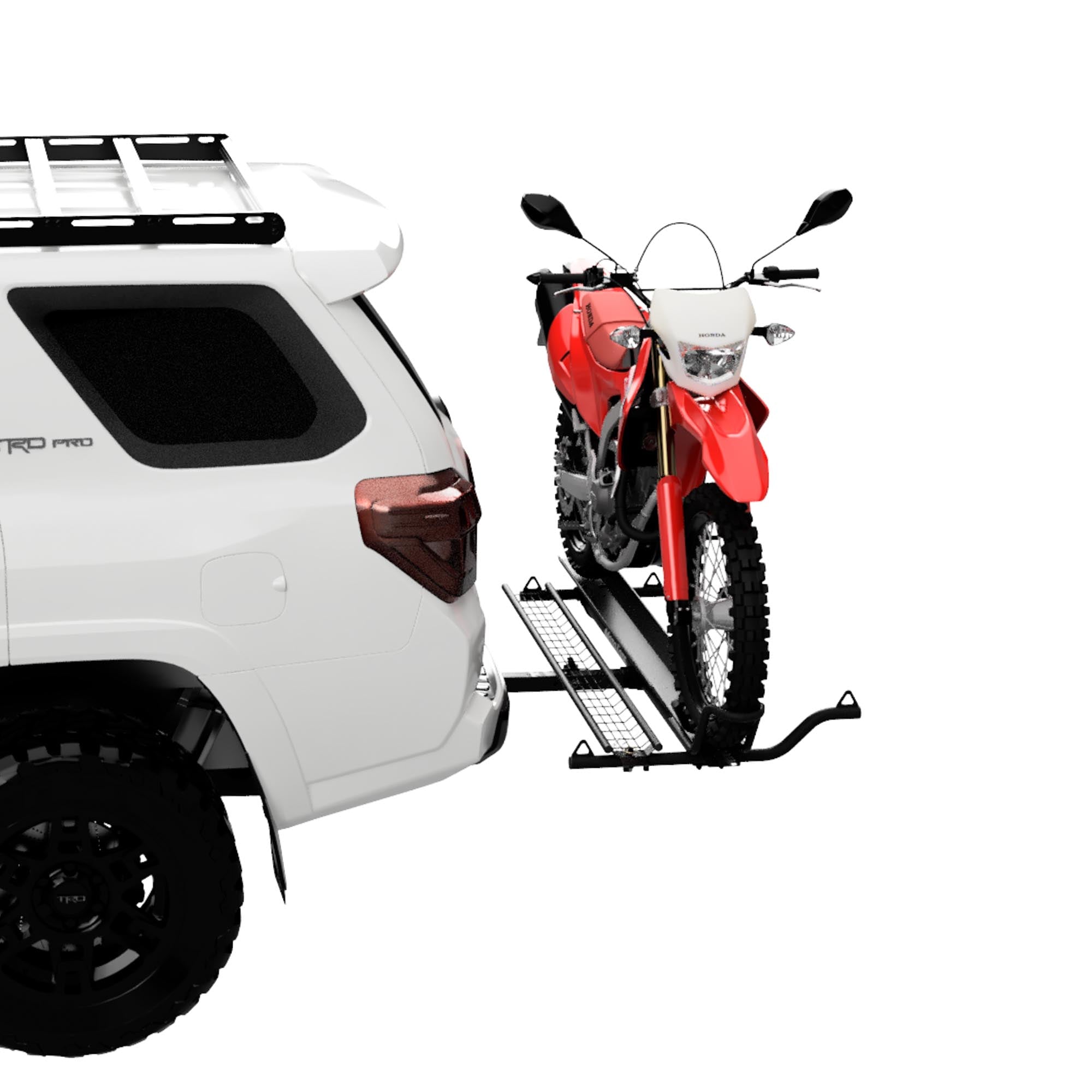
m3
Motorcycle Hitch Carrier
Proven motorcycle rack for bikes up to 500 lbs; dirt bikes, scooters & more.
Sport
Motorcycle Hitch Carrier
Trusted motorcycle carrier for bikes up to 600 lbs.; sport bikes, scramblers, & dual sports.
Max
Motorcycle Hitch Carrier
Maximum-stability motorcycle carrier for bikes up to 600 lbs.; dirt bikes, scooters & more.
Max+
Motorcycle Hitch Carrier
Maximum-stability motorcycle hauler for bikes up to 600 lbs.; sport bikes, scramblers, & dual sports.
Still not sure?
Use the guides below to better understand carrier compatibility and vehicle requirements.

Bike Fit Guide
